High-threat pathogens (HTPs) are infectious agents that present significant challenges to global health security due to their potential to cause severe diseases. These pathogens may include both existing and emerging or re-emerging infections. HTPs are distinguished from other pathogens by their severe health impacts, pandemic potential, limited countermeasures, biosafety and biosecurity risks, and continuous threat, along with the potential for misuse. These factors underscore the critical need for preparedness and response strategies to mitigate their impact on both human and animal health.
The impact of HTPs can vary depending on the context, with disproportionate effects in settings that have higher vulnerabilities and limited capacities. While HTPs are often discussed in a global context, the concept of "higher threat" pathogens must be evaluated based on local circumstances. Policymakers and stakeholders must recognize HTPs as distinct public health threats at the local level, separate from other pathogens. Identifying and prioritizing HTPs in a context-specific manner is crucial for directing investments and interventions, particularly in resource-constrained settings.
The South-East Asia (SEA) region is a hotspot for emerging and re-emerging infectious diseases, many of which lack effective countermeasures. The emergence of HTPs is likely in SEA due to a complex interplay of factors, including high population density, rapid urbanization, close interactions between humans and animal hosts (e.g., livestock and wildlife), environmental conditions, and limited infrastructure or resources for prevention and control. These factors vary significantly across the region. Therefore, it is essential to identify and prioritize HTPs that pose the greatest threats within the context of the SEA region.
To strengthen emergency preparedness and response in member states to priority HTPs, the IHM unit has developed a tool for identifying and prioritizing HTPs. This tool provides a context-specific operational definition of HTPs and offers a systematic, criteria-based approach for prioritizing high-threat pathogens in the SEA region. By focusing limited resources on the most significant threats, the tool enhances preparedness and response strategies for HTPs. Its flexibility allows adaptation to various contexts, making it a valuable asset for public health decision-makers. The prioritization process incorporates factors beyond biomedical and hazard characteristics, ensuring it addresses the unique challenges faced by different areas in the SEA region. This approach ensures that HTPs remain a priority for health emergency preparedness and attract the necessary attention from policymakers and program managers, particularly in resource-constrained settings.
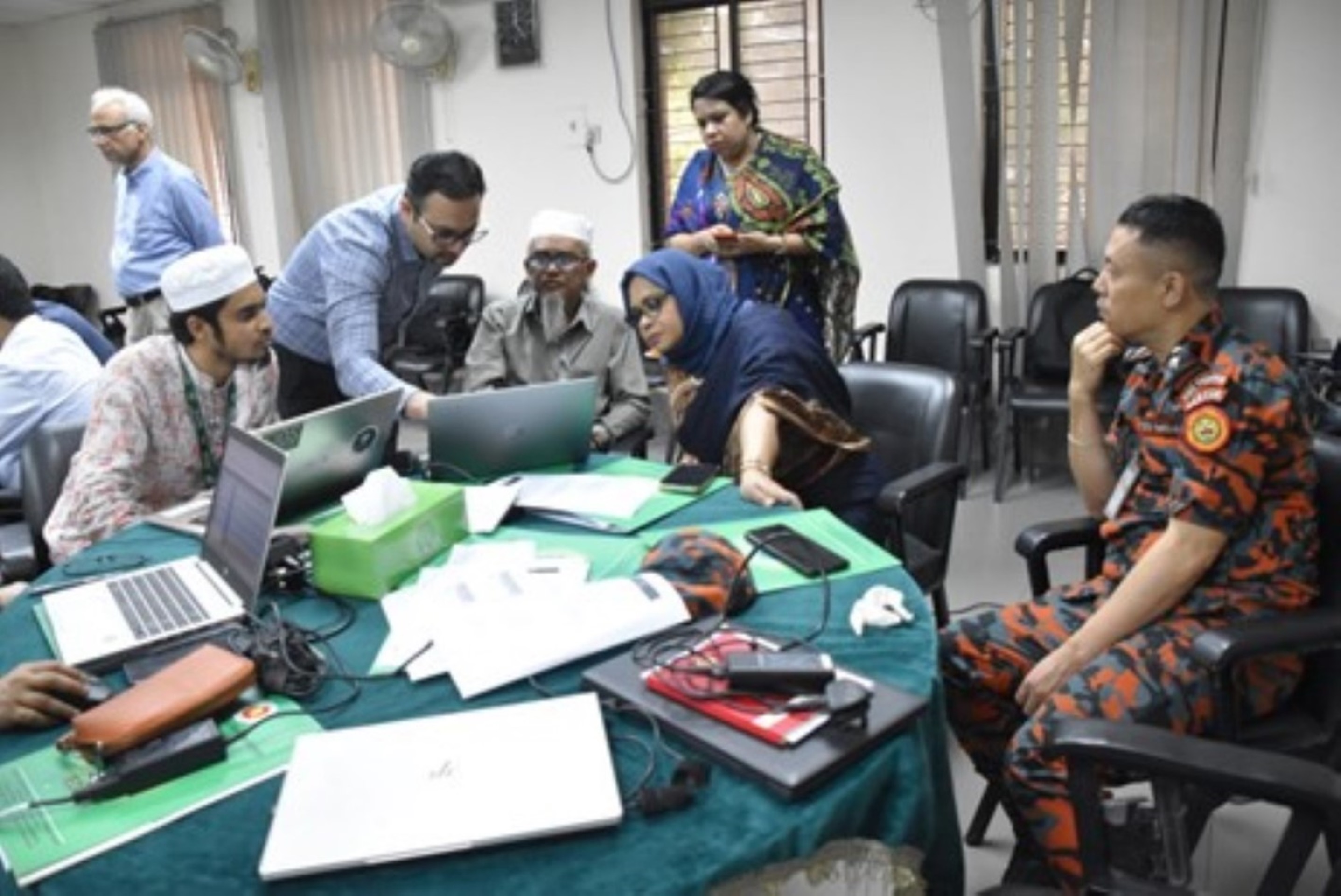
Figure 1 : IHM unit collaborated with the CPI unit at WHE SEARO to pilot the HTP prioritization tool during the application of WHO’s Strategic Toolkit for Assessing Risks (STAR) Workshops in Bangladesh ( Photo- WHO Bangladesh )
The HTP prioritization tool is currently being piloted in Bangladesh. Following this, it will be expanded to regional-level HTP prioritization and implemented in other member states across the region.
- Contribution to intensifying IHR core capacity strengthening through Regional Implementation Framework to Defeat Meningitis in South-East Asia by 2030:
In 2024, the regional adaptation of the Global Roadmap for Defeating Meningitis by 2030 made significant progress with the development of the draft Regional Implementation Framework to defeat meningitis in South-East Asia by 2030. This framework outlines a comprehensive plan to address the main causes of acute bacterial meningitis, including Meningococcus, Pneumococcus, Haemophilus influenzae, and group B Streptococcus.
The development of the Regional Implementation Framework (RIF) has been led by the Immunizations and Vaccines Development (IVD) unit of the CDS, with support from WHE and the Department of Healthier Populations and Non-Communicable Diseases (HPN).
Figure 2 : Regional Implementation Framework to defeat meningitis in South-East Asia by 2030. (Photo – WHO SEARO)
The vision of the RIF framework is: "A WHO South-East Asia Region where everyone, everywhere, and at every age fully benefits from vaccines against meningitis, where people and economies are protected from the impact of public health emergencies due to meningitis, and where the mental health of persons affected by meningitis is valued, promoted, and protected for good health and well-being." This vision aligns with the WHO's global goals to eliminate bacterial meningitis epidemics, reduce cases and deaths from vaccine-preventable meningitis, and improve the quality of life for individual’s post-meningitis.
The RIF aims to provide a strategic and implementation roadmap to address the existing challenges in reducing the burden of bacterial meningitis, with the goal of eliminating meningitis in the Region by 2030. This Framework outlines a vision, guiding principles, strategic objectives, key activities, and indicators that will drive progress. Additionally, it presents an operational framework and implementation approaches to achieve the 2030 meningitis control and elimination objectives.
The RIF, which contributes to a healthier region in an evolving global health landscape, is planned for rollout in 2025. It will involve the engagement of regional stakeholders and priority member states identified as being at high risk for bacterial meningitis.
- Intensifying IHR Core Capacity Strengthening through Synergistic Partnerships:
Infectious Hazard Management emphasizes the value of fostering partnerships with state and non-state actors. Guided by the above, Infectious Hazard Management unit at the Regional Office continued to work with key partners namely The Centers for Disease Control and Prevention (CDC)USA; WHO Collaborating Center for Reference and Research on Influenza at the Victorian Infectious Diseases Reference Laboratory, Melbourne, Australia, University of Queensland Australia, National Institute of Virology, Pune , India; The Department of Foreign Affairs and Trade (DFAT), Australia, U.S. Agency for International Development (USAID), PATH India.